

 TECOBIAI GUIDE
TECOBI INSIGHTS
Response Bot
Explore dealership perspectives on Response Bot. Read the latest articles, follow a related topic, or ask the TECOBI guide to help you find a starting point.
Explore this topic with TECOBI
Articles about Response Bot
These are historical articles. Their advice and examples do not establish current product availability, pricing or results. Current reviewed product information takes priority.
Response Bot
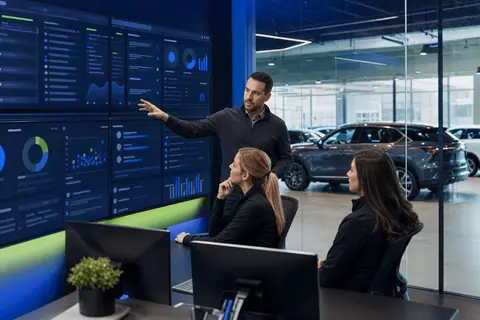
Sort Unresolved Response Bot Threads by Customer Momentum, Not Age
Unresolved Response Bot conversations should not be worked like a generic oldest-first task queue. This operator playbook shows BDC supervisors how to sort threads by live customer momentum, decision proximity, handoff dependency, and decay risk so human attention lands where it can still change today’s outcome.
Automotive AI
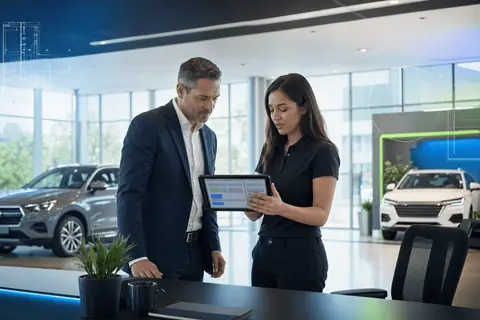
What Customers Feel When the Dealership Conversation Stays Visible
This customer-result analysis explains how visible conversation history changes the way dealership shoppers judge a store. The thesis is simple: customers read continuity as competence. When the next person understands the current state without forcing repetition, the dealership feels coordinated, responsive, and easier to trust.
Operator Playbooks
After-Hours SMS Handling: Classify the Customer Before You Choose the Responder
After-hours SMS handling works best when the dealership classifies the customer’s current state before deciding who should answer. This operator playbook gives BDC supervisors and after-hours managers a practical decision framework for overnight replies: identify whether the customer is an active buyer, logistics customer, blocker, or protected/disqualified contact; respond only where the next step is safe; and preserve clean morning ownership when a human needs to step in.

Automotive AI
Automotive Chat Software: Compare the Conversation, Not the Widget
A practical comparison guide for sales managers and fixed ops leaders evaluating automotive chat software by what it preserves after the first exchange: customer context, workflow ownership, routing, reporting, and human handoff. The core argument is that a chat tool should be judged by whether it keeps the conversation moving, not whether it can place a widget on the website.
Response Bot
Response Bot Morning Playbook: Sort Unresolved Conversations by Risk, Not Age
This operator playbook shows BDC managers how to inspect unresolved Response Bot conversations by momentum risk instead of timestamp. The routine prioritizes ready-but-blocked shoppers, judgment-needed replies, and conversations likely to go stale before lunch.

Response Bot
Response Bot Readiness Checklist: What Must Be True Before It Handles Real Inbound Volume
A practical implementation checklist for BDC directors and dealership operations managers deciding when Response Bot is ready for real inbound volume. The core standard: managers must be able to inspect decisions, see ownership, and know when the workflow escalates.
Response Bot
Response Bot First-Hour Playbook: What Should Happen After an Overnight Dealership Reply
The first hour after an overnight dealership reply is not mainly about answering faster. It is about preserving customer state. Managers should classify the customer’s last move, protect the context, decide whether Response Bot, scheduling, or a human should own the next step, and hand off risk clearly before the morning team starts working the queue.
Buyer Guides
Response Handling vs Follow-Up vs Scheduling: Buy the Workflow Losing Customer State
A practical buyer guide for sales managers and BDC directors deciding whether to buy response handling, proactive follow-up, or appointment scheduling first. The core recommendation: buy the workflow that is currently losing customer state, especially when the pain is happening inside active conversations.
Buyer Guides
Response Bot Buyer Guide: Buy the Bot That Keeps the Next Step Owned
This buyer guide helps BDC directors and sales managers evaluate a dealership Response Bot by coverage quality, escalation behavior, production visibility, and next-step ownership. The core buying standard: do not choose the bot that only answers fastest; choose the one that keeps active inbound replies owned, clear, and ready for human handoff when needed.
Dealership Operations
Response Bot Morning Inspection: Sort Unresolved Conversations by Risk, Not Timestamp
BDC managers should not inspect unresolved Response Bot conversations by oldest timestamp alone. This operator playbook shows how to bucket unresolved threads by customer risk: ready buyers who are blocked, conversations that need human judgment, unclear customer states, and lower-risk follow-up that can wait. The practical goal is not to clear messages; it is to protect the opportunities most likely to break if no one acts first.
Automotive AI
Which AI Automotive CRM Layer Should Your Dealership Buy First?
This buyer guide helps dealer principals and sales directors decide whether to buy an AI CRM operating layer, inbound response tool, proactive follow-up layer, scheduling workflow, or reporting control first. The practical rule: buy the layer that fixes the dealership’s most expensive silence before expanding into a broader bundle.
Response Bot
Response Bot Morning Triage: Prioritize Overnight Replies by Risk, Not Timestamp
Morning reply management should start with risk triage, not timestamp order. This operator playbook shows dealership sales managers and BDC leads how to separate urgent customer state from routine overnight backlog, assign the right human owner, and measure the morning by unresolved conversation risk instead of cleared messages.
Automotive AI
Automotive Internet Lead Management: Find the Break Before You Fix the Process
This operator playbook helps BDC managers and internet sales managers inspect where automotive internet lead management is actually failing: intake, first reply, second reply, or ownership after the customer engages. The thesis is simple: most loss happens in the handoff between lead arrival and clear ownership, so managers should diagnose the break point before adding more tasks or changing the whole process.
Automotive AI
Automotive AI CRM Buyer Guide: Buy the Workflow That Fixes the Biggest Silence
This buyer guide helps dealer principals choose the first automotive AI CRM workflow to buy by identifying the store’s most expensive silence. Instead of comparing feature names, it separates reply ownership, proactive persistence, targeted broadcasting, scheduling continuity, and reporting by the customer state each workflow owns and the failure each one prevents.
Automotive AI
Response Bot vs. Auto Bots: Who Owns the Customer Thread Right Now?
A practical comparison for GSMs deciding when Response Bot should own active inbound replies and when Auto Bots should own proactive follow-up, nurture, and reactivation. The thesis: do not ask which bot is better; ask which workflow owns the customer’s current conversation state right now.
Automotive AI
Auto Bots, Response Bot, or Scheduling? Choose the Workflow That Owns the Customer State
A comparison guide for BDC directors and service managers deciding whether Auto Bots, Response Bot, or appointment scheduling should own the customer’s current state. The thesis: choose the workflow accountable for the state your store is failing to manage—silent nurture, active reply handling, or scheduling readiness—not the module with the longest feature list.

Automotive CRM
Response Bot Morning Inspection: How BDC Managers Check Reply Ownership Before the Rush
This operator playbook gives BDC managers a short daily routine for inspecting inbound replies that arrive after-hours or during understaffed windows. The core thesis: reply problems usually start as visibility and ownership problems, not texting problems. Managers should check whether each reply is visible, classified, owned, and ready for the next human move before the morning queue grows.
AI CRM
Response Bot Daily Inspection: A 10-Minute Playbook for Unresolved BDC Conversations
BDC managers do not need more activity reports to manage Response Bot workflows. They need a short daily inspection that identifies whether every active customer conversation still has a clear need, next action, and owner. This operator playbook gives managers a 10-minute routine for finding unresolved threads, ignoring vanity counts, and routing replies to AI, BDC, salespeople, or managers before customers fall through the cracks.

Dealership Operations
After-Hours Response Workflow: What Should Happen in the First Hour After an Overnight Reply
This workflow teardown explains what should happen in the first hour after a late-night inbound dealership reply arrives. The thesis: after-hours replies are a state problem first. Speed matters only after the system understands whether the customer is confirming, asking, objecting, scheduling, opting out, or waiting for a human. The article gives BDC directors and after-hours managers a minute-by-minute control sequence for classification, thread preservation, routing, and morning handoff.
Automotive CRM
Automotive CRM Automation: Stop Buying One Tool for Three Different Jobs
A practical comparison guide for sales managers evaluating automotive CRM automation. The article separates inbound response handling, proactive follow-up, scheduling, reporting, and human handoffs so managers can decide which workflow should own each customer moment and where blended automation creates hidden work.

Automotive AI
Re-Entered Lead Thread Workflow: Treat the Second Turn as a State Change
When a dealership customer replies inside an old thread, the store should not treat the moment as a revived old lead. The better workflow is to reread the thread, identify what changed, reclassify the deal state, respond to the new context, update ownership, and hand off to a person when the new intent calls for it.
AI CRM
AI CRM for Dealerships: Buy the Layer That Owns the Conversation Break
Dealerships should not buy AI CRM by category buzzwords. They should identify the most expensive conversation break first: inbound replies, proactive follow-up, or reportable workflow control. This buyer guide maps when Response Bot, Auto Bots, or the full TECOBI Platform should own the next improvement.
Automotive AI
Aged Lead Reactivation for Dealerships: When Customers Feel Remembered, Not Recycled
This customer-result analysis explains what a shopper experiences when a dealership revives an old lead after months of silence. The practical standard is not more outbound activity; it is memory, relevance, clean reply ownership, and a next step that makes the customer feel recognized instead of recycled.
Automotive AI
Dealer Lead Response Workflow: What Managers Should Inspect in the First 24 Hours
The first 24 hours after a dealership lead arrives should not be managed as a count of touches. This workflow teardown shows internet sales managers and CRM admins what to inspect: acknowledgment, context attachment, ownership, inbound reply handling, escalation, and the end-of-day unresolved-conversation audit.

Dealership Operations
Service Customer Texting Workflow Teardown: What Should Happen After the First Message
Service customer texting should not create another queue. This workflow teardown shows what should happen the moment a service customer texts: identify the status at risk, attach context, acknowledge without overpromising, route by authority, and keep the conversation visible until the next step is clear.

Dealership Operations
Response Bot Diagnostic: How to Tell When Dealership Replies Are Getting Buried
Buried replies are an operational symptom, not just a messaging delay. This diagnostic guide helps dealer principals and BDC directors inspect whether inbound customer replies are visible, owned, routed, handed off, and reportable before they become missed opportunities.
Dealership Operations
After-Hours Reply Recovery for Dealerships: A Morning Handoff Workflow That Does Not Restart the Conversation
This workflow teardown shows BDC directors and after-hours managers how to recover overnight dealership replies by reading the conversation thread as current state. Instead of treating the morning as a fresh queue, the process classifies the customer’s last move, inspects prior context, hands off one clear next action, sends a continuity-based human reply, and reviews unresolved threads in reporting before the morning rush buries them.

AI CRM
Response Bot for Dealerships: What Changes When Managers Can See Ownership Drift
A customer-result analysis for dealer principals and GSMs evaluating Response Bot. The central takeaway: the real win is not faster texting. It is making ownership drift visible so managers can prevent invisible losses, run cleaner mornings, and protect customer momentum before conversations go cold.
Automotive AI
After-Hours Bot Responses: What Should Happen When an Inbound Dealership Text Arrives Overnight
After-hours inbound texts should be handled as a control sequence, not a generic speed-to-lead event. This workflow teardown shows how BDC directors and after-hours managers should classify each message, preserve the customer trail, route ownership, apply quiet-hour discipline, and hand off the morning queue by risk and opportunity.

Automotive AI
Bot Responses for Dealerships: What Changes When Inbound Replies Stay Visible and Owned
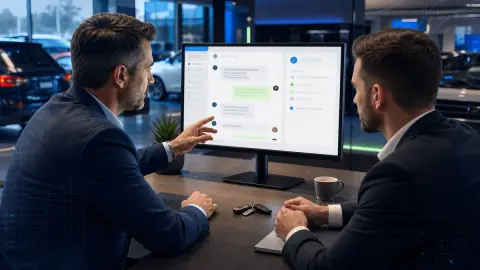
Fast bot responses are useful, but the bigger dealership result is operational: fewer inbound replies disappearing after customers engage. For BDC directors, Response Bot should be evaluated by whether it keeps replies visible, owned, and ready for the right next step.
Dealership CRM
Response Bot Workflow Teardown: What Should Happen After an Inbound Dealership Text Reply
Inbound text replies should be handled as a control problem, not just a speed problem. This workflow teardown explains the correct dealership sequence: classify the reply, preserve context, decide whether AI should continue or escalate, route by ownership and urgency, and hand off to a human with the next move clear.

Automotive CRM
Response Bot vs Auto Bots: Fix the Most Expensive Dealership Communication Break First
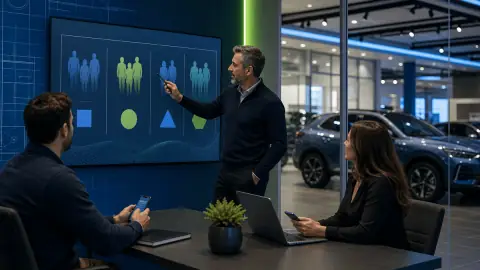
A practical comparison guide for sales managers and BDC directors choosing between Response Bot and Auto Bots. The core decision is not which feature sounds better; it is whether the store’s more expensive communication leak is missed inbound replies or weak proactive persistence.
Automotive CRM
Text Broadcasting vs. Conversation Workflows: When Dealerships Should Use Each
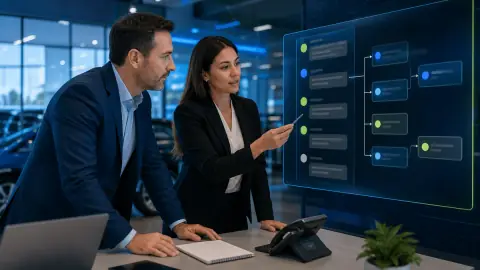
Text message marketing for car dealerships works best when managers separate two jobs: audience broadcasting and conversation ownership. Broadcasting is useful for promotions, recall-style notices, inventory alerts, and targeted campaign reach. But once customers reply, the workflow needs routing, context, persistence, scheduling, reporting, and human handoffs.
Automotive AI
AI for Dealership Lead Management: The Customer Result That Matters Is Fewer Unresolved Conversations
This customer-result analysis explains why the real value of AI for dealership lead management is not more outbound activity. It is fewer unresolved conversations, clearer reply ownership, better manager visibility, and cleaner handoffs between AI and humans.

Automotive AI
Human-Plus-AI Dealership Communication: What AI Should Handle and What Still Needs a Person
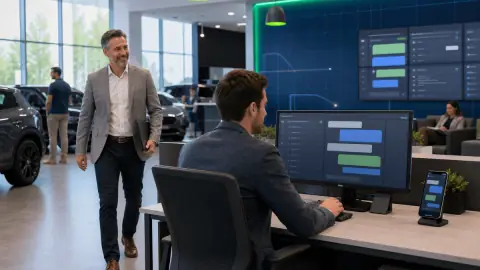
AI should not be framed as a replacement for dealership sales teams. The practical opportunity is to divide customer communication into the right lanes: automate instant acknowledgment, routine follow-up, appointment reminders, and aged lead reactivation; use AI to classify replies and summarize context; and hand off deal-making, empathy, finance concerns, trade complexity, and unusual situations to people.
Automotive AI
AI Agents for Dealership CRM: Don’t Buy a Chatbot When You Need an Operating Layer
AI agents are showing up inside every CRM, but dealerships should evaluate them by operational impact, not chatbot demos. A useful AI CRM operating layer stays connected to the customer record, handles inbound replies, runs persistent follow-up, supports appointment scheduling and no-show recovery, revives aged leads, and hands conversations to humans with context. The goal is fewer dropped conversations and less manual cleanup for managers.
Powersports CRM
AI CRM for Powersports and RV Dealers: Keep Seasonal Buyers Moving
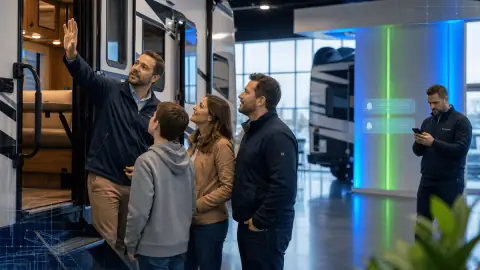
Powersports and RV dealerships cannot rely on task queues alone when shoppers are active on weekends, buying cycles stretch for weeks or months, and staff are busy with showroom traffic. This post explains how TECOBI’s AI CRM operating layer helps cover inbound replies, run proactive follow-up, surface engaged shoppers, support appointments, and hand conversations to humans when buyers are ready.

AI CRM
AI CRM Task Automation for Customer Follow-Up: Stop Managing Reminders and Start Moving Conversations
CRM task queues break down when customer conversations move faster than salespeople can update records. This blog explains how AI CRM task automation helps dealerships keep follow-up moving, handle inbound replies, run persistent outreach, and create clean human handoffs without burying the team in more reminders.
Automotive AI
AI CRM for Dealer Groups: Standardize Follow-Up Without Flattening Every Store
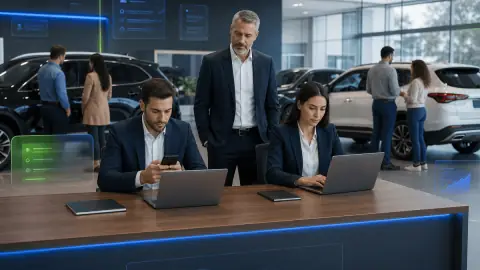
Multi-location dealer groups need more than additional CRM tasks. They need a consistent operating layer for customer conversations across rooftops. This post explains how AI CRM helps standardize inbound response coverage, proactive nurture, human handoffs, appointment paths, opt-out discipline, and reporting while still allowing each store to keep its own sales process and staffing model.
Automotive AI
After-Hours AI Lead Response for Dealerships: What Happens After the First Reply
24/7 AI lead response is useful only when it does more than send a fast first message. Dealerships need a complete workflow where inbound replies are handled, proactive follow-up continues, managers can see ownership, and salespeople receive clean handoffs when a human should step in.
Automotive AI
Automotive AI CRM: What Dealerships Should Expect From an Always-On Conversation Layer
An Automotive AI CRM should do more than create tasks or generate chatbot replies. For dealerships, the practical value is an always-on conversation layer that handles inbound replies, runs persistent follow-up, supports appointments, routes human handoffs, protects message control, and gives managers useful reporting. This post explains how TECOBI fits that operating role and what dealers should look for when evaluating AI CRM tools.

Automotive AI
Why Car Dealers Should Stop Chasing Phone Calls and Start Winning Conversations
Phone call quotas can make dealership follow-up look busy while buyers still go unanswered, unengaged, or untouched. This post explains why text-first communication is a better operating model for modern car shoppers, how AI can keep proactive follow-up moving, and why managers should measure real conversations, appointments, and sales instead of raw call activity.
Customer Communication
Hybrid AI Handoff: How Dealerships Use AI and People Together
A practical guide to using AI for first response, routing, and follow-up while handing conversations to people when judgment, empathy, or deal-making matters.