

 TECOBIAI GUIDE
TECOBI INSIGHTS
automotive CRM
Explore dealership perspectives on automotive CRM. Read the latest articles, follow a related topic, or ask the TECOBI guide to help you find a starting point.
Explore this topic with TECOBI
Articles about automotive CRM
These are historical articles. Their advice and examples do not establish current product availability, pricing or results. Current reviewed product information takes priority.
Automotive AI
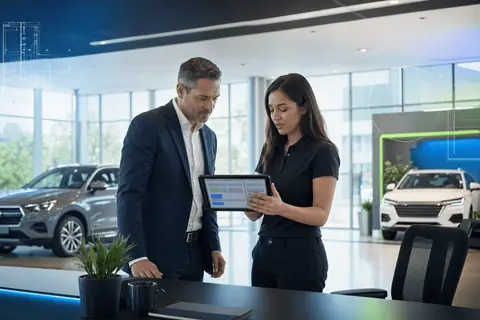
What Customers Feel When the Dealership Conversation Stays Visible
This customer-result analysis explains how visible conversation history changes the way dealership shoppers judge a store. The thesis is simple: customers read continuity as competence. When the next person understands the current state without forcing repetition, the dealership feels coordinated, responsive, and easier to trust.
Response Bot
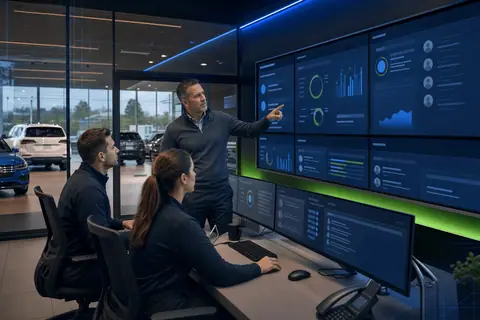
Response Bot Morning Playbook: Sort Unresolved Conversations by Risk, Not Age
This operator playbook shows BDC managers how to inspect unresolved Response Bot conversations by momentum risk instead of timestamp. The routine prioritizes ready-but-blocked shoppers, judgment-needed replies, and conversations likely to go stale before lunch.
Response Bot
Response Bot First-Hour Playbook: What Should Happen After an Overnight Dealership Reply
The first hour after an overnight dealership reply is not mainly about answering faster. It is about preserving customer state. Managers should classify the customer’s last move, protect the context, decide whether Response Bot, scheduling, or a human should own the next step, and hand off risk clearly before the morning team starts working the queue.
Buyer Guides
Why Your Dealership Appointment Rate Is Stuck: A Buyer Guide to Finding the Leak
A weak dealership appointment rate is a symptom, not a diagnosis. This buyer guide helps sales managers and BDC directors decide whether to fix appointment capture, reminder discipline, or appointment protection first, based on where customers stop moving.
Response Bot
Response Bot Morning Triage: Prioritize Overnight Replies by Risk, Not Timestamp
Morning reply management should start with risk triage, not timestamp order. This operator playbook shows dealership sales managers and BDC leads how to separate urgent customer state from routine overnight backlog, assign the right human owner, and measure the morning by unresolved conversation risk instead of cleared messages.
AI CRM
AI CRM Software: Should Your Dealership Buy Documentation or Workflow Ownership?
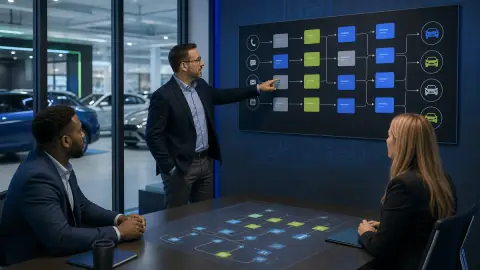
This comparison guide explains why dealership AI CRM software should be judged by workflow ownership, not feature count. A CRM add-on may document tasks, notes, and replies, but an AI CRM operating layer owns what happens after the lead arrives: preserving context, continuing follow-up, handling replies, escalating to humans, and giving managers visibility into conversation health.
Appointment Scheduling
Appointment Scheduling Buyer Guide: Should Your Dealership Buy Scheduling, Reminders, or Protection First?
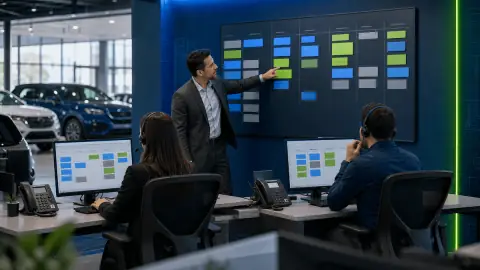
This buyer guide helps sales managers and BDC leaders decide whether their dealership should invest first in scheduling, reminder management, or appointment protection. The core thesis: a booked appointment is not the same as a protected appointment, and the right tool depends on where the store loses control.
Automotive AI
Auto Bots, Response Bot, or Scheduling? Choose the Workflow That Owns the Customer State
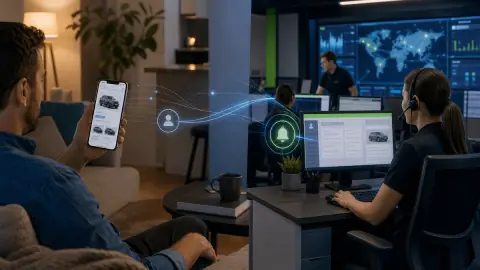
A comparison guide for BDC directors and service managers deciding whether Auto Bots, Response Bot, or appointment scheduling should own the customer’s current state. The thesis: choose the workflow accountable for the state your store is failing to manage—silent nurture, active reply handling, or scheduling readiness—not the module with the longest feature list.
Dealership Operations
Website Lead Intake Workflow: What Must Survive From Form Submit to First Reply
Website lead intake fails when the dealership preserves contact data but loses the context needed to work the lead. This teardown follows the path from form submission to CRM assignment to first meaningful reply, showing where vehicle intent, form type, comments, transcripts, appointment requests, trade clues, finance signals, and source history often disappear. The fix is not another generic lead-response process.
Customer Experience
Service to Sales Customer Experience: When a Repair Visit Becomes a Respectful Buying Conversation
This customer-result analysis explains service-to-sales from the customer’s side. A repair visit becomes a sales opportunity only when the dealership recognizes the customer’s situation, preserves service context, gives the customer control, and hands the conversation to sales without making them repeat the story.

Automotive CRM
Car Dealer Website Lead Intake Checklist: Direct CRM, API, or Widget?
Dealership website lead problems are often intake architecture problems. This checklist helps internet sales managers and website managers choose between direct CRM leads, API intake, and website widget paths based on context preservation, duplicate work, next actions, reporting, and workflow fit.

Automotive AI
Automotive Lead Generation Through AI vs Traditional Lead Gen: What Changes After the Lead Arrives
A comparison guide for internet sales managers and BDC leaders evaluating automotive lead generation through AI. The central point: AI only improves lead generation when it changes the dealership’s post-arrival workflow, including routing, qualification, reply ownership, persistent follow-up, reporting, and human handoffs.
Automotive AI
Dealership Response Bot vs Texting Tool vs CRM Add-On: Which One Owns the Workflow?
A practical comparison guide for dealer principals and GSMs evaluating response bots, legacy texting tools, and CRM add-ons. The key difference is workflow ownership: inbound reply handling, broadcasting, and CRM logging are separate jobs that should not be blended without a clear operating lane.
Automotive CRM
Text Broadcasting vs. Conversation Workflows: When Dealerships Should Use Each
Text message marketing for car dealerships works best when managers separate two jobs: audience broadcasting and conversation ownership. Broadcasting is useful for promotions, recall-style notices, inventory alerts, and targeted campaign reach. But once customers reply, the workflow needs routing, context, persistence, scheduling, reporting, and human handoffs.
Automotive AI
After-Hours AI Lead Response for Dealerships: What Happens After the First Reply
24/7 AI lead response is useful only when it does more than send a fast first message. Dealerships need a complete workflow where inbound replies are handled, proactive follow-up continues, managers can see ownership, and salespeople receive clean handoffs when a human should step in.
Automotive AI
Why Car Dealers Should Stop Chasing Phone Calls and Start Winning Conversations
Phone call quotas can make dealership follow-up look busy while buyers still go unanswered, unengaged, or untouched. This post explains why text-first communication is a better operating model for modern car shoppers, how AI can keep proactive follow-up moving, and why managers should measure real conversations, appointments, and sales instead of raw call activity.
Automotive Sales
Long Buying Cycle Follow-Up Automation: Why Dealerships Need Structured Persistence
Long buying cycles do not close on the first touch. Dealerships need structured follow-up automation that keeps slow movers, no-shows, postponed buyers, credit-challenged shoppers, and seasonal buyers in motion until they are ready for a human handoff.
Automotive CRM
AI Attribution Reporting for Dealerships: Measure the Full Conversion Path
Dealerships that only measure first-touch or last-touch miss the role AI plays in response, nurture, reactivation, and handoff. This post explains the blind spots in activity reporting, what a useful attribution model should tell a manager, and how TECOBI helps teams see engagement influence more clearly.