


 TECOBIAI GUIDE
TECOBI INSIGHTS
Automotive CRM
Explore dealership perspectives on Automotive CRM. Read the latest articles, follow a related topic, or ask the TECOBI guide to help you find a starting point.
Explore this topic with TECOBI
Articles about Automotive CRM
These are historical articles. Their advice and examples do not establish current product availability, pricing or results. Current reviewed product information takes priority.
Digital Retailing
Automotive Digital Retailing Workflow: What Must Survive Each Handoff
Digital retailing should be judged by what survives each handoff, not by how many online steps it adds. This workflow teardown follows the shopper from website click to desk review, salesperson follow-up, appointment, and finance, showing what context must stay intact for the dealership to act intelligently.

Buyer Guides
Why Your Dealership Appointment Rate Is Stuck: A Buyer Guide to Finding the Leak
A weak dealership appointment rate is a symptom, not a diagnosis. This buyer guide helps sales managers and BDC directors decide whether to fix appointment capture, reminder discipline, or appointment protection first, based on where customers stop moving.
Response Bot
Response Bot Morning Triage: Prioritize Overnight Replies by Risk, Not Timestamp
Morning reply management should start with risk triage, not timestamp order. This operator playbook shows dealership sales managers and BDC leads how to separate urgent customer state from routine overnight backlog, assign the right human owner, and measure the morning by unresolved conversation risk instead of cleared messages.
Automotive CRM
Automotive Lead Intake Audit: Does the First Owner Have a Workable Starting Point?
A practical operator playbook for BDC and internet sales managers who need to inspect whether lead intake preserves the shopper’s stated need before anyone starts working the record. The core standard: a lead is not truly delivered until the first owner can act without reconstructing the trail.

Automotive CRM
Consent-Aware Automotive Text Message Marketing: The Dealership Operator’s Checklist
Dealership text follow-up should not treat consent as a buried legal checkbox. This implementation checklist helps BDC managers inspect opt-out handling, message language, escalation paths, workflow visibility, and reporting so automotive text message marketing remains usable, visible, and safer to operate at scale.

Automotive CRM
Response Bot Morning Inspection: How BDC Managers Check Reply Ownership Before the Rush
This operator playbook gives BDC managers a short daily routine for inspecting inbound replies that arrive after-hours or during understaffed windows. The core thesis: reply problems usually start as visibility and ownership problems, not texting problems. Managers should check whether each reply is visible, classified, owned, and ready for the next human move before the morning queue grows.

Automotive CRM
Dealertrack Integration vs RouteOne vs DMS-Aware Follow-Up: Which Credit Workflow Keeps Deal Context Visible?
Dealertrack and RouteOne can both move credit and finance work forward, but dealership operators should compare them by what the sales team can still see after the handoff. This guide explains where each credit path fits, why DMS-aware follow-up matters, and how TECOBI helps preserve live conversation context around finance movement.
Dealership Operations
Website Lead Intake Workflow: What Must Survive From Form Submit to First Reply
Website lead intake fails when the dealership preserves contact data but loses the context needed to work the lead. This teardown follows the path from form submission to CRM assignment to first meaningful reply, showing where vehicle intent, form type, comments, transcripts, appointment requests, trade clues, finance signals, and source history often disappear. The fix is not another generic lead-response process.
Automotive CRM
Automotive CRM Automation: Stop Buying One Tool for Three Different Jobs
A practical comparison guide for sales managers evaluating automotive CRM automation. The article separates inbound response handling, proactive follow-up, scheduling, reporting, and human handoffs so managers can decide which workflow should own each customer moment and where blended automation creates hidden work.

Dealer Operations
Dealertrack Integration Workflow Teardown: Preserve Context When a Deal Enters Credit or F&I
This workflow teardown explains how dealerships should preserve customer identity, conversation history, deal context, and ownership when a lead moves into credit or F&I. The thesis: Dealertrack integration should be evaluated as a continuity test, not just a data connection.

Automotive CRM
Car Dealer Website Lead Intake Checklist: Direct CRM, API, or Widget?
Dealership website lead problems are often intake architecture problems. This checklist helps internet sales managers and website managers choose between direct CRM leads, API intake, and website widget paths based on context preservation, duplicate work, next actions, reporting, and workflow fit.

Automotive CRM
Response Bot vs Auto Bots: Fix the Most Expensive Dealership Communication Break First
A practical comparison guide for sales managers and BDC directors choosing between Response Bot and Auto Bots. The core decision is not which feature sounds better; it is whether the store’s more expensive communication leak is missed inbound replies or weak proactive persistence.

Automotive CRM
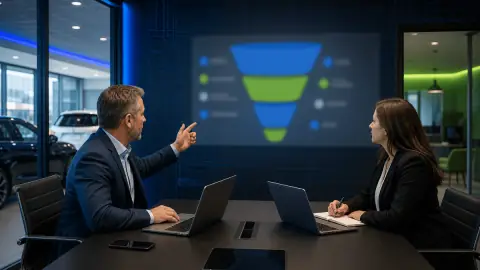
Automotive Business Intelligence Is Useless If It Can’t Show Conversation Health
Most automotive business intelligence solutions make dealership activity easier to review, but not necessarily easier to manage. This point-of-view article argues that BI only changes behavior when it shows conversation state, ownership drift, and stalled opportunities. Dealer principals and GSMs need reporting that helps them inspect unresolved conversations, human handoffs, appointment movement, source quality, and follow-up execution while there is still time to act.
Dealership Reporting
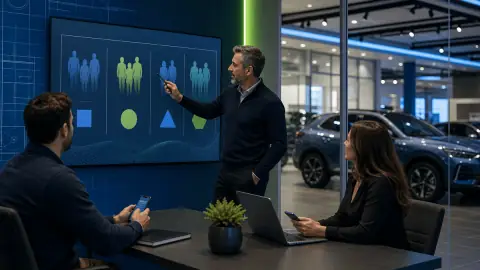
Automotive Conversion Rate Is Not One Number: A Buyer Guide for Dealership Managers
A dealership buyer guide for sales managers and BDC leaders evaluating automotive conversion rate. The post explains why reply rate, appointment rate, show rate, and sold-unit conversion answer different management questions, and how to choose the first metric to optimize based on the store’s current bottleneck.
Automotive CRM
Text Broadcasting vs. Conversation Workflows: When Dealerships Should Use Each
Text message marketing for car dealerships works best when managers separate two jobs: audience broadcasting and conversation ownership. Broadcasting is useful for promotions, recall-style notices, inventory alerts, and targeted campaign reach. But once customers reply, the workflow needs routing, context, persistence, scheduling, reporting, and human handoffs.

Automotive CRM
Auto Bots, Response Bot, or Appointment Scheduler? Choose the Automotive CRM Software Module by Workflow Gap
A practical comparison guide for sales managers choosing between Auto Bots, Response Bot, and Appointment Scheduler. The thesis: start with the module that fixes the dealership’s most expensive workflow break, not the one with the broadest feature list.
Automotive CRM
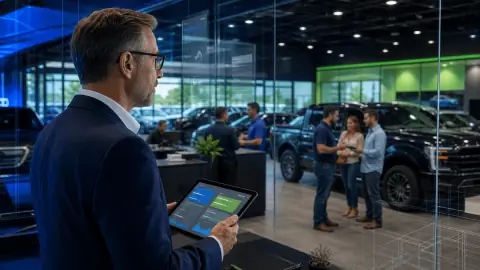
Stop Managing the CRM. Start Managing Conversation State.
Dealership CRMs still matter as systems of record, but they are no longer the best unit of daily management. This opinion piece argues that principals and GSMs should manage conversation state: whether each buyer is active, stalled, waiting, scheduled, reactivated, or ready for a human handoff. That model gives leaders clearer visibility, fairer accountability, and better follow-up quality than inspecting scattered leads, tasks, and notes.

Automotive AI
Automotive AI CRM: What Dealerships Should Expect From an Always-On Conversation Layer
An Automotive AI CRM should do more than create tasks or generate chatbot replies. For dealerships, the practical value is an always-on conversation layer that handles inbound replies, runs persistent follow-up, supports appointments, routes human handoffs, protects message control, and gives managers useful reporting. This post explains how TECOBI fits that operating role and what dealers should look for when evaluating AI CRM tools.

Automotive CRM
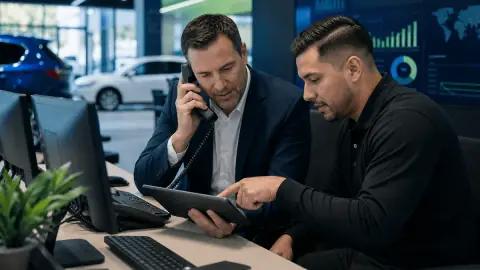
Automotive CRM Integrations That Keep Dealership Reporting Clean
A historical overview of eLead and VinSolutions integrations, with an update on supported CRM workflows.
Automotive CRM
Agentic CRM for Dealerships Should Work Like an Operating Layer
Dealerships do not need another CRM dashboard. They need an agentic operating layer that keeps inbound replies, proactive follow-up, reminders, and human handoffs in one accountable workflow.

Automotive CRM
Why Dealerships Need One AI CRM Conversation Layer for Every Customer Touchpoint
Dealerships do not need more disconnected automation. They need one AI CRM conversation layer that keeps inbound replies, proactive follow-up, reminders, and human handoffs in the same workflow so managers can see ownership clearly and salespeople can act faster.

Automotive CRM
Website Widget Performance Upgrades That Protect Page Speed and SEO
TECOBI’s website widget performance upgrades are built to keep embedded forms and chat entrypoints fast, flexible, and less disruptive to dealership page speed. For automotive teams, that means a cleaner path to conversation, better mobile engagement, and less risk that a heavy widget drags down SEO and conversion.

Automotive CRM
AI Follow-Up for Long Buying Cycles
Dealerships do not lose long-cycle deals because of one weak reply; they lose them when follow-up stops after day one. This post explains how AI follow-up keeps old leads, no-shows, and undecided shoppers moving with persistent, relevant touches over weeks or months without adding more manual task work.
Automotive CRM
AI Attribution Reporting for Dealerships: Measure the Full Conversion Path
Dealerships that only measure first-touch or last-touch miss the role AI plays in response, nurture, reactivation, and handoff. This post explains the blind spots in activity reporting, what a useful attribution model should tell a manager, and how TECOBI helps teams see engagement influence more clearly.

Automotive CRM
Why AI CRM Follow-Up Automation Is Replacing Dealership Task Queues
Dealerships do not lose leads because they need more reminders. They lose them when follow-up depends on people clearing CRM tasks one by one. This post explains why AI CRM follow-up automation is replacing legacy task queues with persistent conversation handling, faster first response, cleaner handoffs, and better manager visibility.