

 TECOBIAI GUIDE
TECOBI INSIGHTS
Automotive AI
Explore dealership perspectives on Automotive AI. Read the latest articles, follow a related topic, or ask the TECOBI guide to help you find a starting point.
Explore this topic with TECOBI
Articles about Automotive AI
These are historical articles. Their advice and examples do not establish current product availability, pricing or results. Current reviewed product information takes priority.
Automotive AI
Service to Sales Workflow: Should Service, Sales, or a Split Process Own the Thread?
A comparison guide for service managers and fixed ops directors deciding whether service-originated buying interest should remain in service, move to sales, or split across workflows. The core standard: keep the repair story intact until the next useful action is clear.
Buyer Guides
Aged Lead Reactivation Buyer Guide: Segment by Stall Reason, Not Just Age
This buyer guide helps dealership sales directors and BDC managers decide when aged leads should be segmented before reactivation. The practical thesis: old leads should be handled by stall reason and current state, not by age alone. The guide compares reactivation approaches for inventory, finance, trade, timing, no-response, and no-show situations, then explains what to look for in an Auto Bots-style proactive follow-up workflow.
Automotive AI
Which AI Automotive CRM Layer Should Your Dealership Buy First?
This buyer guide helps dealer principals and sales directors decide whether to buy an AI CRM operating layer, inbound response tool, proactive follow-up layer, scheduling workflow, or reporting control first. The practical rule: buy the layer that fixes the dealership’s most expensive silence before expanding into a broader bundle.
Automotive AI
Service-Originated Opportunities: Preserve the Repair Story Before You Route the Lead
Service-originated opportunities fail when the repair story disappears. This operator playbook helps service managers and fixed ops leaders inspect what must stay visible before a repair conversation becomes a sales opportunity: the repair trigger, customer concern, service status, current owner, and next action.
Automotive AI
Meta Lead Forms vs. Landing Pages vs. Website Leads: Which Gives Dealers the Best Starting Point?
A practical comparison guide for internet sales managers and website teams evaluating Meta lead forms, landing pages, and direct website leads. The core argument: capture channels should be judged by what survives after submission — contactability, context, routing clarity, and the quality of the next action — not form completions alone.
Automotive AI
Automotive Internet Lead Management: Find the Break Before You Fix the Process
This operator playbook helps BDC managers and internet sales managers inspect where automotive internet lead management is actually failing: intake, first reply, second reply, or ownership after the customer engages. The thesis is simple: most loss happens in the handoff between lead arrival and clear ownership, so managers should diagnose the break point before adding more tasks or changing the whole process.
Automotive AI
Automotive AI CRM Buyer Guide: Buy the Workflow That Fixes the Biggest Silence
This buyer guide helps dealer principals choose the first automotive AI CRM workflow to buy by identifying the store’s most expensive silence. Instead of comparing feature names, it separates reply ownership, proactive persistence, targeted broadcasting, scheduling continuity, and reporting by the customer state each workflow owns and the failure each one prevents.
Automotive AI
Response Bot vs. Auto Bots: Who Owns the Customer Thread Right Now?
A practical comparison for GSMs deciding when Response Bot should own active inbound replies and when Auto Bots should own proactive follow-up, nurture, and reactivation. The thesis: do not ask which bot is better; ask which workflow owns the customer’s current conversation state right now.
Appointment Scheduling
Appointment Scheduling Buyer Guide: Should Your Dealership Buy Scheduling, Reminders, or Protection First?
This buyer guide helps sales managers and BDC leaders decide whether their dealership should invest first in scheduling, reminder management, or appointment protection. The core thesis: a booked appointment is not the same as a protected appointment, and the right tool depends on where the store loses control.
Automotive AI
Auto Industry AI CRM Buyer Guide: Should Service-Originated Opportunities Enter the Sales Workflow?
Service-originated opportunities should not be dropped into a generic sales lead workflow. This buyer guide explains how dealer principals and fixed ops leaders should evaluate AI CRM for service-to-sales by checking whether the system preserves the repair story, keeps ownership clear, manages inbound and proactive follow-up, and hands the customer to sales only when the next conversation can continue without repeat explanations.
Automotive AI
Long-Cycle Automotive Follow-Up Works When Buyers Feel Remembered
This customer-result analysis explains why long-cycle dealership follow-up performs better when the buyer feels recognized. The key is not only persistence or cadence; it is emotional continuity. When follow-up remembers the prior conversation, customers repeat themselves less, trust the process more, and find it easier to send the next reply.
Automotive AI
Auto Bots, Response Bot, or Scheduling? Choose the Workflow That Owns the Customer State
A comparison guide for BDC directors and service managers deciding whether Auto Bots, Response Bot, or appointment scheduling should own the customer’s current state. The thesis: choose the workflow accountable for the state your store is failing to manage—silent nurture, active reply handling, or scheduling readiness—not the module with the longest feature list.
Automotive AI
Dealership Software Buying Is Shifting From Feature Bundles to Accountability Layers
Dealership buyers are becoming less impressed by broad feature bundles and more focused on which software layer actually owns the customer work. This news analysis explains why accountability layers are emerging as the practical buying unit for automotive AI, CRM, reporting, follow-up, and handoff workflows.
Automotive AI
What Buyers Feel When the Vehicle Thread Stays Visible
Vehicle thread visibility changes the buyer’s perception of a dealership. When the exact vehicle stays attached across replies, comparisons, follow-up, and handoffs, shoppers feel remembered, staff feel more prepared, and managers get a clearer quality-control signal than response speed alone.

Automotive AI
Re-Entered Lead Thread Workflow: Treat the Second Turn as a State Change
When a dealership customer replies inside an old thread, the store should not treat the moment as a revived old lead. The better workflow is to reread the thread, identify what changed, reclassify the deal state, respond to the new context, update ownership, and hand off to a person when the new intent calls for it.
Automotive AI
Aged Lead Reactivation for Dealerships: When Customers Feel Remembered, Not Recycled
This customer-result analysis explains what a shopper experiences when a dealership revives an old lead after months of silence. The practical standard is not more outbound activity; it is memory, relevance, clean reply ownership, and a next step that makes the customer feel recognized instead of recycled.
Automotive AI
Dealer Lead Response Workflow: What Managers Should Inspect in the First 24 Hours
The first 24 hours after a dealership lead arrives should not be managed as a count of touches. This workflow teardown shows internet sales managers and CRM admins what to inspect: acknowledgment, context attachment, ownership, inbound reply handling, escalation, and the end-of-day unresolved-conversation audit.
Customer Experience
Service to Sales Customer Experience: When a Repair Visit Becomes a Respectful Buying Conversation
This customer-result analysis explains service-to-sales from the customer’s side. A repair visit becomes a sales opportunity only when the dealership recognizes the customer’s situation, preserves service context, gives the customer control, and hands the conversation to sales without making them repeat the story.

Dealership Operations
Service Customer Texting Workflow Teardown: What Should Happen After the First Message
Service customer texting should not create another queue. This workflow teardown shows what should happen the moment a service customer texts: identify the status at risk, attach context, acknowledge without overpromising, route by authority, and keep the conversation visible until the next step is clear.

Automotive AI
Automotive Lead Management Triage: Start the Right Workflow Before the First Message
Dealerships should not route every lead by age alone. This operator playbook explains how BDC directors and internet sales managers can inspect deal state, source, intent, and required next action before the first message so high-intent search leads, early-stage social leads, and recycled CRM records enter the right workflow from the start.

Dealership Operations
What Customers Notice When Dealership Appointment Scheduling Works as a Continuity System
Appointment scheduling should not be treated as a standalone calendar feature. For dealerships, the real customer result comes when scheduling stays connected to the conversation: customers repeat themselves less, staff ownership is clearer, inbound replies after booking are handled, and managers can see why visits show, reschedule, or drop. TECOBI supports that operating model by connecting Appointment Scheduler with Response Bot, Auto Bots, human handoffs, and reporting.
Automotive AI
After-Hours Bot Responses: What Should Happen When an Inbound Dealership Text Arrives Overnight
After-hours inbound texts should be handled as a control sequence, not a generic speed-to-lead event. This workflow teardown shows how BDC directors and after-hours managers should classify each message, preserve the customer trail, route ownership, apply quiet-hour discipline, and hand off the morning queue by risk and opportunity.

Automotive AI
Bot Responses for Dealerships: What Changes When Inbound Replies Stay Visible and Owned
Fast bot responses are useful, but the bigger dealership result is operational: fewer inbound replies disappearing after customers engage. For BDC directors, Response Bot should be evaluated by whether it keeps replies visible, owned, and ready for the right next step.
Automotive AI
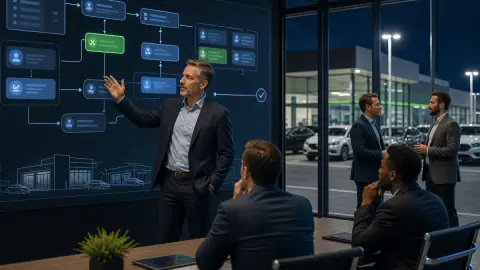
Best AI Automotive CRM for Multi-Rooftop Dealers: Standardize the Rules, Not Every Store
Dealer groups do not need every rooftop to run the exact same CRM script. They need shared operating rules for response coverage, persistence, handoffs, reporting, and guardrails, while preserving local selling style where it matters most. This comparison guide explains what multi-rooftop leaders should standardize, what should remain local, and how TECOBI supports consistency without uniformity.
Automotive AI
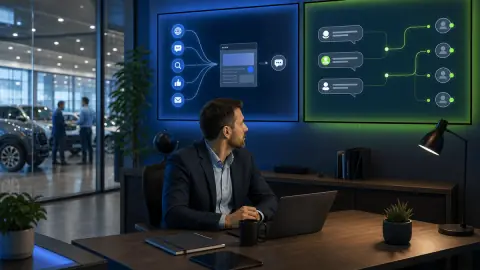
Why Dealership Buyers Are Splitting Lead Capture From Lead Work
Dealership software buying is shifting. Stores still need tools that capture demand, but they are increasingly evaluating a separate operating layer for the work that happens after a shopper submits a lead. The real value now sits in response coverage, conversation continuity, proactive follow-up, reactivation, appointment movement, reporting, and human handoff—not simply in generating more form fills.

Automotive AI
Automotive Digital Retailing Software Checklist: Does It Preserve Customer Context?
Digital retailing software should be evaluated by whether it preserves context across the shopper’s path, not by how many screens it adds. This checklist helps dealership website managers and digital retailing owners inspect handoff continuity, vehicle context, desk visibility, mobile usability, conversation protection, and the lost-context drill before buying or renewing a tool.

Automotive AI
Automotive Lead Generation Through AI vs Traditional Lead Gen: What Changes After the Lead Arrives
A comparison guide for internet sales managers and BDC leaders evaluating automotive lead generation through AI. The central point: AI only improves lead generation when it changes the dealership’s post-arrival workflow, including routing, qualification, reply ownership, persistent follow-up, reporting, and human handoffs.
Dealership CRM
Response Bot Workflow Teardown: What Should Happen After an Inbound Dealership Text Reply
Inbound text replies should be handled as a control problem, not just a speed problem. This workflow teardown explains the correct dealership sequence: classify the reply, preserve context, decide whether AI should continue or escalate, route by ownership and urgency, and hand off to a human with the next move clear.

Automotive AI
How to Segment Old Auto Dealer Leads by the Reason They Stalled
A practical operator playbook for BDC directors and sales managers who want to restart old CRM records without treating every aged lead as the same buyer. The core move: segment by the reason the deal stalled, then match the next message, cadence, handoff, and measurement to that obstacle.
Automotive AI
Dealership Response Bot vs Texting Tool vs CRM Add-On: Which One Owns the Workflow?
A practical comparison guide for dealer principals and GSMs evaluating response bots, legacy texting tools, and CRM add-ons. The key difference is workflow ownership: inbound reply handling, broadcasting, and CRM logging are separate jobs that should not be blended without a clear operating lane.
Dealership Lead Management
Auto Dealership Leads: The Appointment Conversion Checklist for Stores That Already Have Demand
This implementation checklist helps BDC leaders and sales operations managers convert existing auto dealership leads into confirmed appointments by tightening qualification rules, response timing, follow-up checkpoints, ownership visibility, confirmation discipline, and reporting.
Automotive AI
AI for Dealership Lead Management: The Customer Result That Matters Is Fewer Unresolved Conversations
This customer-result analysis explains why the real value of AI for dealership lead management is not more outbound activity. It is fewer unresolved conversations, clearer reply ownership, better manager visibility, and cleaner handoffs between AI and humans.
Automotive AI
Auto Lead Generation Workflow Teardown: From Hot Lead to Booked Appointment
This workflow teardown follows a single high-intent dealership lead from capture to booked appointment. It shows how internet sales managers and BDC team leads can keep routing, qualification, scheduling, reminders, human handoff, and reporting connected in one visible conversation path instead of scattering ownership across CRM tasks and disconnected inboxes.
Automotive AI
Why Car Buyers Are Paying $1,000 to Avoid the Dealership Sales Process
Services like Delivrd are not just viral negotiation content. They are a market signal. Many shoppers are willing to pay for transparency, control, remote communication, and emotional distance from a process they expect to be difficult. Dealers do not need to copy the confrontation. They need to remove the friction that makes buyers want an advocate in the first place.

Automotive AI
Human-Plus-AI Dealership Communication: What AI Should Handle and What Still Needs a Person
AI should not be framed as a replacement for dealership sales teams. The practical opportunity is to divide customer communication into the right lanes: automate instant acknowledgment, routine follow-up, appointment reminders, and aged lead reactivation; use AI to classify replies and summarize context; and hand off deal-making, empathy, finance concerns, trade complexity, and unusual situations to people.
Automotive AI
AI Agents for Dealership CRM: Don’t Buy a Chatbot When You Need an Operating Layer
AI agents are showing up inside every CRM, but dealerships should evaluate them by operational impact, not chatbot demos. A useful AI CRM operating layer stays connected to the customer record, handles inbound replies, runs persistent follow-up, supports appointment scheduling and no-show recovery, revives aged leads, and hands conversations to humans with context. The goal is fewer dropped conversations and less manual cleanup for managers.

Automotive AI
The CRM Is the Line Shaft: Why AI Will Force Dealerships to Reinvent Customer Follow-Up
Dealership CRMs were built to organize human follow-up through leads, tasks, notes, reminders, and manager inspection. AI changes the center of gravity. If dealers only bolt AI onto legacy CRM workflows, they get faster fragments instead of a new operating model. The next shift is an AI-native customer operating system built around conversations, persistence, routing, escalation, reporting, and human handoffs.

Automotive AI
Why Facebook Leads for Car Dealerships Need Better Follow-Up
Facebook and Instagram leads are not automatically bad leads. They are often earlier-stage shoppers who need a different follow-up strategy than ready-now search leads. This article explains why normal CRM task queues fail Meta leads and how dealerships can improve results with immediate response, persistent nurture, inbound reply handling, human handoffs, and reporting tied to appointments, shows, sold units, and gross profit.
Automotive AI
AI CRM for Dealer Groups: Standardize Follow-Up Without Flattening Every Store
Multi-location dealer groups need more than additional CRM tasks. They need a consistent operating layer for customer conversations across rooftops. This post explains how AI CRM helps standardize inbound response coverage, proactive nurture, human handoffs, appointment paths, opt-out discipline, and reporting while still allowing each store to keep its own sales process and staffing model.

Automotive AI
After-Hours AI Lead Response for Dealerships: What Happens After the First Reply
24/7 AI lead response is useful only when it does more than send a fast first message. Dealerships need a complete workflow where inbound replies are handled, proactive follow-up continues, managers can see ownership, and salespeople receive clean handoffs when a human should step in.

Automotive AI
Automotive AI CRM: What Dealerships Should Expect From an Always-On Conversation Layer
An Automotive AI CRM should do more than create tasks or generate chatbot replies. For dealerships, the practical value is an always-on conversation layer that handles inbound replies, runs persistent follow-up, supports appointments, routes human handoffs, protects message control, and gives managers useful reporting. This post explains how TECOBI fits that operating role and what dealers should look for when evaluating AI CRM tools.

Dealership Lead Follow-Up
Best Practices When Working Internet Leads: Stop Setting the Hook Too Early
Dealership internet leads should not be handled like a race to ask for the appointment. The stronger process is to respond quickly, ask useful questions, help with credit and trade information, build trust through conversation, and let the appointment become the natural next step. TECOBI helps dealers keep that engagement moving with always-on inbound handling, proactive follow-up, human handoffs, appointment support, and reporting.
Automotive AI
Why Car Dealers Should Stop Chasing Phone Calls and Start Winning Conversations
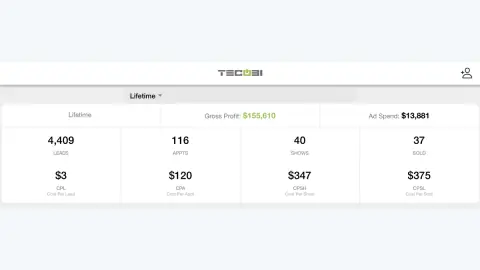
Phone call quotas can make dealership follow-up look busy while buyers still go unanswered, unengaged, or untouched. This post explains why text-first communication is a better operating model for modern car shoppers, how AI can keep proactive follow-up moving, and why managers should measure real conversations, appointments, and sales instead of raw call activity.
Automotive AI
Facebook and Instagram Leads Are Not the Problem. Dealership Follow-Up Is.
Facebook and Instagram are strong discovery channels for dealerships, but their leads are often misunderstood because they do not always behave like ready-now low-funnel shoppers. This post explains why Meta leads need persistent follow-up, where traditional CRM workflows break down, and how TECOBI helps dealers respond instantly, nurture over time, and involve the sales team when customers are engaged.

Automotive AI
Why AI Sales Follow-Up Automation Beats Dealership Task Queues
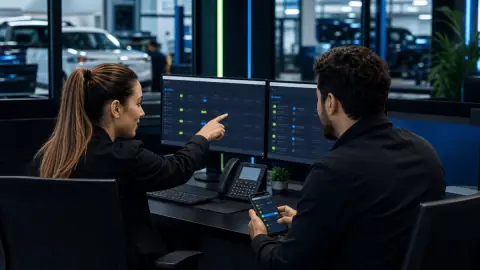
Task-based follow-up breaks down when reps are busy. AI sales follow-up automation keeps the next touch moving, reduces dead tasks, and gives managers cleaner visibility into active deals.
Compliance
The Dangers of TCPA Violations for Dealerships
TCPA violations are not small mistakes for dealerships. They can trigger complaints, lawsuits, carrier scrutiny, and operational chaos. This post explains where dealers go wrong, why consent-aware control matters, and how TECOBI Shield helps keep texting disciplined without slowing the team down.
Automotive AI
Training & Accountability: How TECOBI Keeps Teams Using the System Correctly
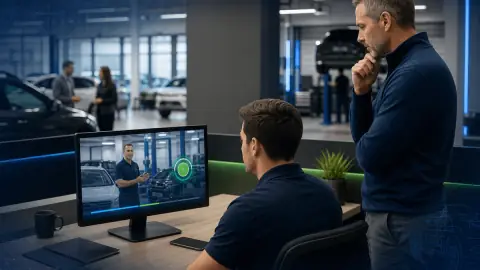
TECOBI treats training and accountability as part of the operating layer. This post explains how video modules, user scorecards, access enforcement, and daily KPI review help dealerships keep staff using the CRM correctly until the store is consistently passing the checks.
Customer Communication
Hybrid AI Handoff: How Dealerships Use AI and People Together
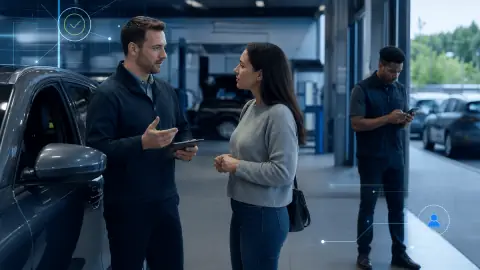
A practical guide to using AI for first response, routing, and follow-up while handing conversations to people when judgment, empathy, or deal-making matters.
Automotive AI
Why Governed AI Customer Communication Matters for Dealerships
Governed AI customer communication gives dealerships a practical way to scale follow-up without losing control. This post explains how consent awareness, opt-out handling, quiet-hour discipline, message control, and human handoffs reduce operational risk and keep AI useful across sales and service workflows.