
Automotive SMS lead generation is often sold as a way to create more demand: more replies, more form fills, more names for the CRM, more people to chase. That is the easy part to count. The harder question is the one dealer principals and service managers actually live with: did the customer experience get easier after the text went out? A text campaign that produces 200 replies but leaves customers waiting, repeating themselves, or wondering who owns the next step is not a growth engine.
It is another pressure point on the store. SMS lead generation earns its value when the customer can move from interest to answer, from answer to appointment, and from appointment to show without falling into a handoff gap. This is a customer-result analysis, not another SMS software checklist. The question is simple: what does a dealership customer experience when SMS-created demand is actually working?
The customer does not experience a lead source. They experience a promise.
Customers do not think, “I am now an automotive SMS lead.” They think, “I asked a question,” “I want a price,” “I need service,” “I saw an offer,” or “I am ready to book if this is easy.” That distinction matters. A dealership might view the campaign as a source. The customer experiences it as a promise. If the text says there is an opportunity, a reminder, a trade event, a service opening, or a next step available, the store has created an expectation.
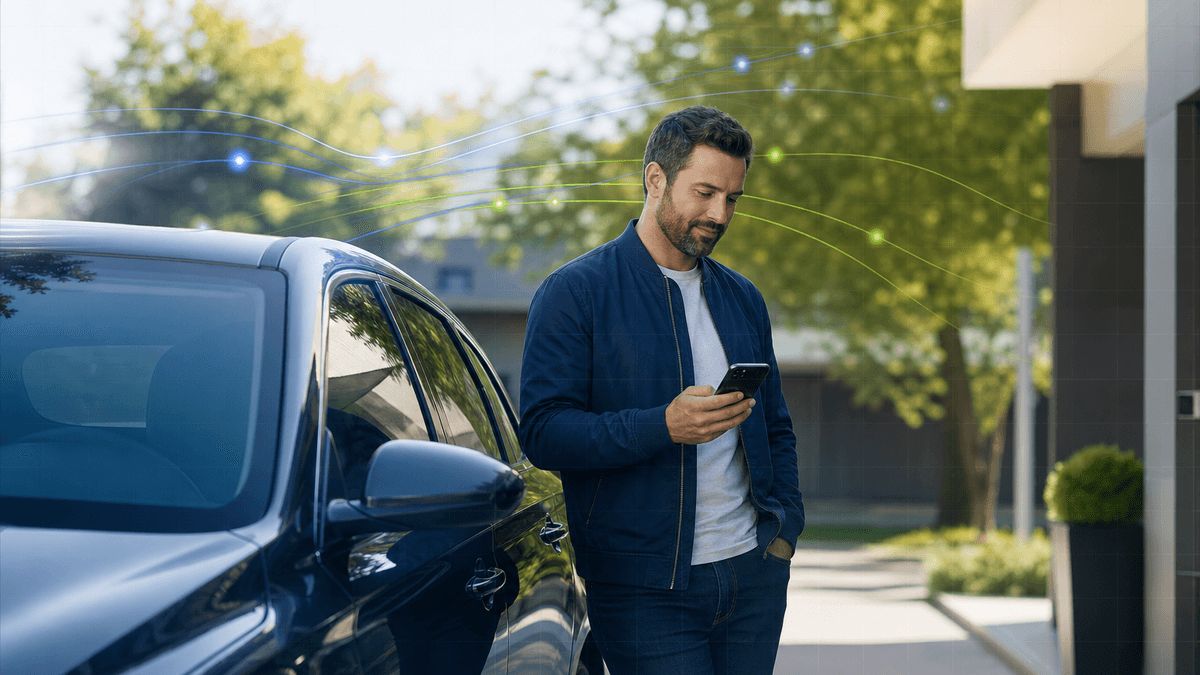
The operational test is whether the next customer action feels connected. When SMS lead generation is working, the customer sees three things quickly: the message is relevant enough to answer, the reply is acknowledged without friction, and the next step is clear. That does not mean every reply has to be handled by a human instantly. It means the dealership has a system for keeping the conversation alive until the right person needs to step in.
- A sales shopper should not have to re-enter information the store already has.
- A service customer should not reply to a reminder and then wait for someone to manually interpret the message hours later.
- A returning lead should not feel like a stranger just because the original inquiry was weeks or months ago.
- A manager should be able to tell whether the campaign produced handled conversations, not just outbound volume.
The first operational win is that the customer stops repeating the story
The first visible customer result is continuity. If the customer replies to an SMS offer and then has to explain the same need to a BDC agent, a salesperson, a service advisor, and a manager, the lead generation effort created friction. Good SMS-driven demand feels different. The store already knows where the conversation came from.

The customer’s reply is tied to the record. The next person who touches it can see enough context to continue instead of restarting. For dealer principals, this is where lead generation becomes operationally usable. A campaign response is not just “someone texted back.” It has an owner, a current status, and a next action.
For service managers, the same rule applies: “I need an oil change Friday” is not a generic inbound message. It is a customer request that should move toward a scheduled visit or a clear answer. TECOBI’s role as an AI CRM operating layer is built around that operating problem: customer conversations need to stay active, visible, and transferable instead of living as isolated messages. The customer does not care which module handled the first touch.
They care that the dealership behaves like one connected team.
- The customer’s reply is captured in the conversation history.
- The next employee can see what was asked and what has already been answered.
- The store avoids the awkward “What were you calling about?” moment after it invited the customer to engage.
- The handoff happens because the conversation is ready for a person, not because an inbox became overloaded.
Service demand only counts when it lands as a real appointment
Service departments can generate plenty of interest with SMS: declined services, maintenance reminders, recall-related outreach where appropriate, seasonal checks, tires, inspections, and appointment openings. But service SMS lead generation only matters when the customer can get from “yes, I need that” to an actual slot. A service manager should judge the customer result by how much effort it takes to book.
If the customer replies with a preferred day, asks for availability, or needs to reschedule, the store needs a process that moves the request forward instead of dumping it into a queue. This is where appointment follow-through changes the economics of SMS. Demand without scheduling discipline creates phone tag. Demand with scheduling discipline creates a visit the lane can plan around.
For customers, a working experience feels simple: the dealership understands the request, offers a usable path, confirms the appointment, and reminds them without making them start over. For the store, that means fewer loose replies and a cleaner view of which campaigns produced actual appointment movement.
- A reply about service should become a scheduling conversation, not a vague callback task.
- Appointment reminders should reduce no-shows and confusion, not add more manual work for advisors.
- Managers need reporting that separates interest from booked activity.
- Customers should be able to act while they are thinking about the need, not only when an advisor has time to call.
When the broadcast works, the bottleneck moves to reply handling
A strong SMS campaign can create its own problem: replies arrive in bunches. That is a good problem only if the store is ready for it. If ten customers answer within a few minutes, the customer experience depends on coverage. Some replies are simple.
Some are buying signals. Some are objections. Some are opt-outs. Some need a manager.
Some need service. Some need a salesperson to pick up immediately. Treating all of them like a generic task queue slows down the best opportunities and frustrates customers who expected texting to be convenient. When automotive SMS lead generation is working, inbound handling is part of the campaign plan.
The dealership knows how replies will be triaged, how customer intent will be recognized, when a human should take over, and how the conversation will be logged. This is also where sales managers should avoid judging campaigns by reply count alone. A high-reply campaign with poor handling can damage trust. A smaller campaign with cleaner handling may produce better customer movement because each interested person gets a usable next step.
- Fast replies need routing, not just notification.
- Opt-outs and compliance-related signals need to be respected and recorded.
- Hot sales replies should not sit behind low-intent chatter.
- Managers need to see which conversations are active, waiting, handed off, or unresolved.
The manager result is fewer mystery leads
The common reporting mistake is to stop at campaign activity: messages sent, delivery, clicks, replies, maybe cost per lead. Those numbers matter, but they do not answer the customer-result question. Dealer principals and service managers need to know whether the created demand became managed demand. That means looking beyond the top of the funnel and asking what happened after customers engaged.
The strongest SMS lead generation reports connect communication to operational outcomes: which audiences responded, which conversations needed human help, how many appointments were booked, how many went unresolved, which handoffs were completed, and which campaigns created real store traffic. This is especially important for stores that already have plenty of leads. More demand is not automatically better if the team cannot absorb it. Better demand is demand the store can work cleanly.
The reporting should help managers decide whether to adjust the audience, timing, offer, staffing, follow-up path, or appointment process.
- Measure handled conversations, not just replies.
- Separate booked appointments from general interest.
- Review unresolved conversations after each campaign, especially after-hours and weekend sends.
- Track whether handoffs were accepted and acted on.
- Compare campaign results against showroom, phone, and service-lane capacity.
The practical test: did the customer move forward with less effort?
A customer-result analysis should end with a practical standard. SMS lead generation is working when the customer’s path feels shorter, clearer, and more connected than it would have without the text. For sales, that may mean an old lead re-engages, gets a relevant answer, and is handed to a salesperson when the buying signal is real. For service, it may mean a reminder turns into a confirmed appointment without three calls.
For management, it means the store can see what happened and coach the process without digging through disconnected inboxes. The point is not to text everyone more often. The point is to make each text easier to act on. A dealership that uses SMS only to create names will keep buying more activity.
A dealership that ties SMS to ownership, scheduling, persistent follow-up, and reporting can turn demand into a better customer experience and a more manageable workflow for the store.
- The customer knows what to do next.
- The dealership knows who owns the conversation.
- The appointment path is available when interest is fresh.
- The handoff preserves context.
- The report shows outcomes, not just campaign noise.